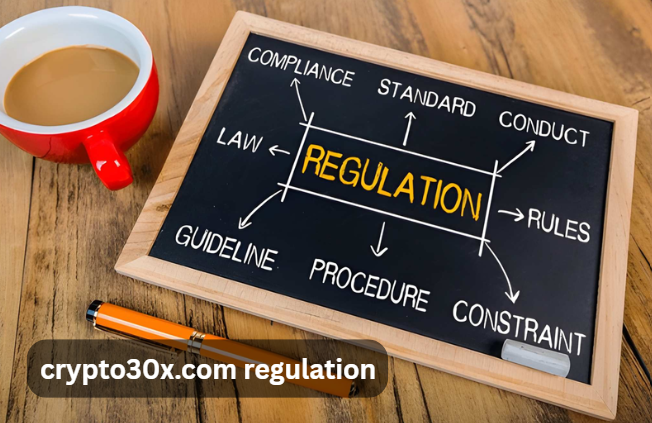
“For many people in the U.S., trading cryptocurrency is a new and exciting experience.” Platforms like crypto30x.com offer advanced tools, high leverage, and market data that look appealing. But before signing up and putting money into any exchange, knowing how it is regulated makes a real difference in what traders can expect. crypto30x.com regulation affects transparency, legal protections, and what a trader can do if something goes wrong.
Regulation is not just a box to check. It matters because it shapes how exchanges protect users, handle disputes, and operate day to day. Some services display licenses and explain compliance clearly, yet others do not. Traders who understand what regulation means and which rules apply where they live have a stronger basis for making decisions.
This article breaks down four key reasons why crypto30x.com regulation matters to traders in the United States. We look at investor protection, legal accountability, transparency, and risk management. You will also find context on how unclear regulatory status influences decisions and why knowing it ahead of time can help you trade more responsibly.
Why Regulation Matters for Crypto Traders
For any trading platform, knowing whether it follows recognized financial rules is essential. Regulation builds a framework where rules protect users and outline formal business standards. Without clear oversight, people who use a platform may have fewer rights if problems arise, and may face hidden fees or unclear practices. Most widely used exchanges clearly list their licenses and explain how they are supervised by regulators; this gives users a reference for what protections exist. Crypto30x.com does not show the same level of verified oversight.
Many regulated platforms use standard procedures like identity verification, anti‑money laundering checks, and regular external audits. These checks help reduce fraud and keep track of suspicious activity, which benefits all traders. By comparison, a platform with unclear or limited verification steps leaves more uncertainty about how funds will be held or how disputes are resolved.
Regulation and Investor Protection
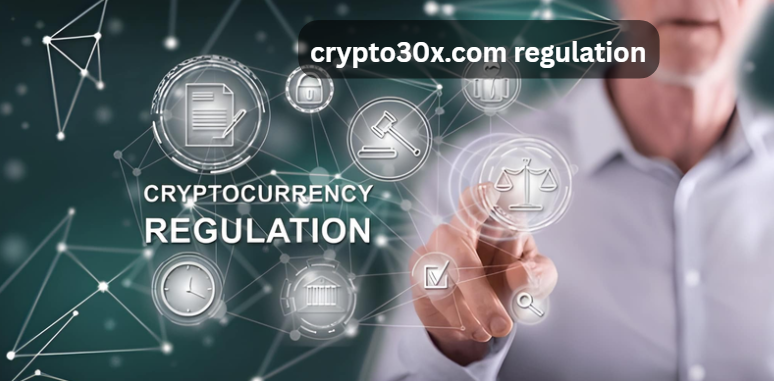
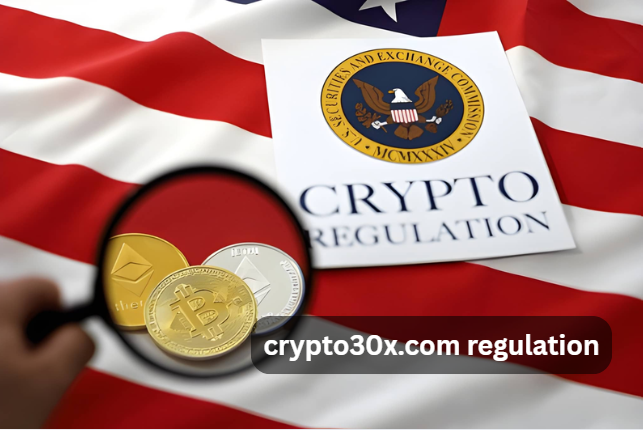
One of the first things traders think about is how safe their money is. Regulated exchanges must follow rules designed to protect users. When a platform is registered with major financial authorities, it must meet minimum standards for holding customer assets, disclosing fees, and preventing fraud. Crypto 30x .com does not appear in official regulatory registries like the U.S. Securities and Exchange Commission or the Financial Conduct Authority in the U.K., which means U.S. traders have no guaranteed safeguards under those systems.
Investor protection includes clear rules about how user funds are stored. On a fully regulated exchange, customer assets are often required to be segregated from company funds. That separation means the exchange cannot use customer money for daily operations or risky internal investments. If a platform runs into financial trouble, segregated funds have a better chance of being returned to their owners. With platforms lacking verified oversight, customers may not have this level of protection.
Regulation also plays a role if a company faces insolvency or fraud charges.”Regulated companies often have systems in place to handle disputes or compensate users if something goes wrong. Without these protections, traders might have to go to court, which can be expensive, take a long time, and be hard to do, especially if the company is overseas or anonymous.”
Legal Accountability and Recourse
“Clear rules help set expectations for how a platform should behave. If a trader has a problem on a regulated exchange, there are official steps and agencies that can review complaints. This might include financial watchdogs who make sure the platform follows the rules. For example, if an exchange freezes your funds without a clear reason, there may be no regulator to help you get them back.”have defined processes for investigating such actions when the platform is within their jurisdiction. Conversely, with platforms that lack registration, U.S. traders must navigate international legal complexities that may not put them first. This situation can deter legitimate claims and leave users with fewer protections if goods or services fall short.
Legal accountability also touches on advertising and promotions. “On regulated platforms, exchanges have to be fair in their claims and clearly explain the risks. If a site only talks about possible profits and doesn’t mention the risks, regulators in major markets may consider that misleading.” Traders need to know what oversight is in place so they can judge how seriously those protections will apply if they need to pursue a claim.
Transparency and Trust in Operations
Transparency goes hand in hand with regulation. Regulated platforms must list verified licensing, company registration information, and, in many cases, the names of key officers”Being transparent helps build trust. “Traders can see who runs a platform, where it’s based, and how it follows rules meant to protect users.”When a platform isn’t properly regulated, you mostly have to trust what other users say, and that’s not always reliable. Crypto 30x.com and similar sites don’t tell much about who runs them or their licenses, so it’s hard to know if you can really trust them.”Safe platforms usually show audit reports and let independent reviewers check their work.”These aren’t just for show—they help prove the platform is operating responsibly.” They demonstrate that the platform is willing to open its operations to independent scrutiny, which strengthens investor confidence. Traders considering platforms with opaque regulatory claims should be mindful that transparency and trust are closely linked, and opaque structures are a risk factor in themselves.
Risk Management and Market Stability
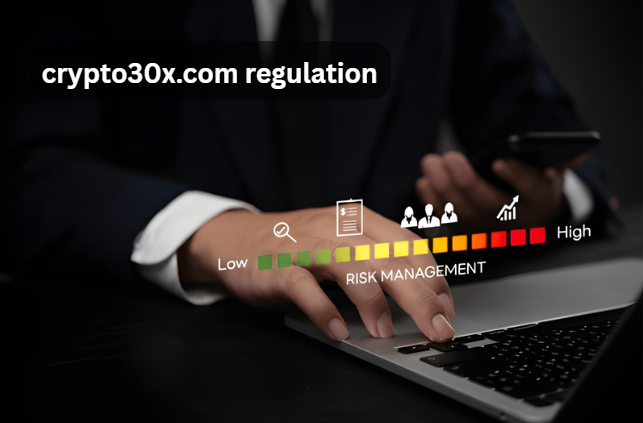
Regulation can have direct effects on risk management practices on trading platforms. Licensed exchanges must follow rules that limit excessive leverage, set margin requirements, and enforce controls that protect users from rapid unplanned liquidations.”High leverage can be very risky, especially for inexperienced traders. Crypto30x.com avalanche is one example of how a platform promotes high-leverage options. These products can lead to big gains, but they can just as easily cause steep losses if the market moves against you.”
“Platforms that aren’t regulated don’t have to enforce trade limits or clearly warn users about risks. That makes trading riskier for individuals and can even affect the market if many traders get caught off guard. For example, checking the crypto30x.com bitcoin price without knowing the platform’s rules or limits can lead to unexpected losses.”
Additionally, regulated environments often require consistent cybersecurity practices and risk audits. These measures include procedures to protect user data and funds against theft, hacks, or operational failures. Without oversight, the effectiveness of security measures on a given platform depends entirely on the firm’s internal practices, which are not independently verified.
Comparing Regulated Platforms and Unclear Cases
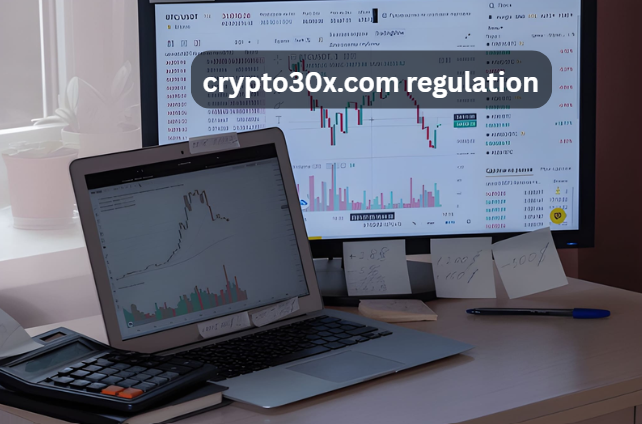
“It helps to compare platforms that have verified oversight with those that don’t. Reputable exchanges usually list the regulatory authorities that oversee them, let users check registration numbers on official sites, and show their security standards. On regulated platforms, you can also see how KYC and AML checks work, which helps prevent fraud and financial crime. By contrast, trading on platforms like crypto30x.com tnt without clear oversight means you don’t get this kind of transparency or protection.”
By contrast, crypto30x.com ice or crypto30x.com ocean branded sections may highlight features or tools, but those are marketing elements rather than proof of oversight. Without a reliable regulatory framework, the protections that help most traders feel safe on big exchanges are not present. For traders who want peace of mind and legal recourse, especially if problems occur, choosing platforms with recordable regulatory credentials remains important.
How to Check Regulation Yourself
Because regulation can change over time, it is wise for traders to do their own checks before using a platform. First, search official financial regulator databases in the trader’s country. In the U.S., the SEC (Securities and Exchange Commission) and FinCEN maintain lists of registered entities. **”Check who owns the platform and where it’s based. If they don’t tell you, that’s a bad sign.
Also, see how they verify users and if your money is kept separate from theirs. That shows if they actually care about keeping your money safe.”** Doing your own research gives you a clearer picture than just trusting reviews or ads.”
Conclusion
You need to know if crypto30x.com is regulated. It shows how safe your money is and what happens if something goes wrong. Being regulated won’t make you rich, but at least there are rules to protect you.
If it’s not regulated, you’re mostly on your own.”Understanding the difference between regulated and unregulated platforms helps you make better decisions and trade in a way that fits you. The safest approach is to do a little research on your own, look up official records if you can, and make sure the platform is upfront about how it manages your money.”